
Michael Foster Creative
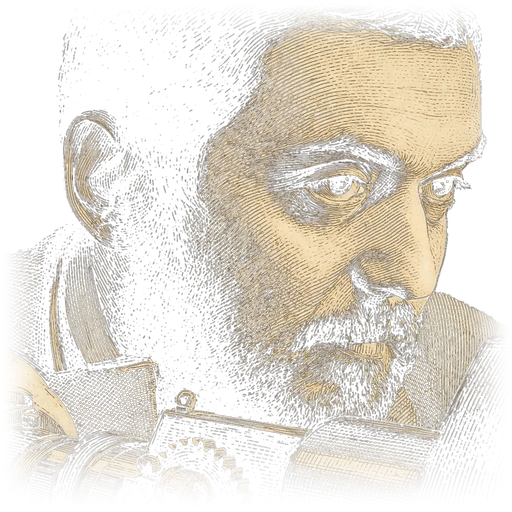
Stanley Kubrick, from the photograph, as an ink drawing

1928 to 1999.
In his own words.

Kubrick.

An interactive reconstruction of Stanley Kubrick, grounded in the public record: his published interviews, his letters, and the work written about him. Ask by text. He answers from that record, and where the record runs out, he reasons beyond it in his documented manner, and says so, rather than inventing a memory or an opinion.

Why Kubrick? Because no filmmaker was more fascinated by technology of his time. In 1968 he made "2001: A Space Odyssey", about machine intelligence and humankind, and late in his career he was developing "A.I.", the film Steven Spielberg finished after his death. Stanley imagined this era decades before it arrived, and then he was gone in 1999, just as it began. The questions have only piled up since. This is a way of asking them, built from everything he left behind.

1951

Day of the Fight

1951

Flying Padre

1953

The Seafarers

1953

Fear and Desire

1955

Killer's Kiss

1956

The Killing

1957

Paths of Glory

1960

Spartacus

1962

Lolita

1964

Dr Strangelove

1968

2001: A Space Odyssey

1971

A Clockwork Orange

1975

Barry Lyndon

1980

The Shining

1987

Full Metal Jacket

1999

Eyes Wide Shut

The conversation

INTERVIEW RECORD 1948-1997

ALL SYSTEMS NOMINAL

TYPE A QUESTION. PRESS ENTER TO ASK.

QUESTIONS AND ANSWERS ARE KEPT IN THE PUBLIC ARCHIVE BELOW.

The record behind it

The full interview record (1948 to 1997)

Every interview and piece of his own writing that survives in print, gathered from the Archivio Kubrick index and The Kubrick Site: over 107,000 words of his own words, plus the recollections of the people who worked with him.

Stanley Kubrick: Interviews (Phillips, 2001)

17 interviews, 1959 to 1987, including Playboy 1968 and Rolling Stone 1987. The spine of the corpus.

Kubrick: The Definitive Edition (Ciment, 2001)

Ciment's long interviews with Kubrick on A Clockwork Orange, Barry Lyndon, The Shining, and Full Metal Jacket.

The Stanley Kubrick Archives (Taschen)

His letters, notes, and own writing, including his New York Times letter defending A Clockwork Orange, plus the 1966 Bernstein interview on CD in the 1st edition.

The Bernstein tapes (1965 to 1966)

About 77 minutes of recorded conversation, made while 2001 was in production.

The Gelmis interview (1972), arriving January 7th, 2027

Nearly 3 hours, released in full by TCM's The Plot Thickens. It joins the corpus on release.

The Public archive

PUBLIC ARCHIVE

EVERY QUESTION ASKED, KEPT

LIVE

NO EXCHANGES YET. THE FIRST QUESTION GOES IN THE ARCHIVE.

A reconstruction, not the man, and not endorsed by the Kubrick Estate. A personal research project by Michael Foster. Prototype v4: he answers as himself, in text, from the full record of his interviews and writings, 1948 to 1997, and reasons beyond it in his documented manner where the record runs out.